Baler with net: prices from the manufacturer 2026
2026-08-19
- Baler with net: prices from the manufacturer 2026
- What is a net baler and why is it profitable in 2026
- Technical characteristics and classification of models
- Market leaders: the experience of Jiujia
- Price range and cost formation factors in 2026
- How to choose a supplier: reliability criteria
- Comparison: Mesh vs Twine - an engineering view
- Typical mistakes when choosing and using
- Recommendations for purchasing and logistics
- FAQ: Frequently asked questions
- Conclusion and next step
Baler with net: prices from the manufacturer 2026
The search for a reliable solution for the procurement of feed in the 2026 season leads the majority of agronomists and owners of livestock farms to one conclusion:net balerremains the gold standard for effectiveness. Unlike traditional twine tying, the use of mesh material provides superior bale aeration, reducing the risk of internal rot by 40-60% when storing wet silage or straw. For buyers and CTOs, the key factor in 2026 is not just the initial cost of equipment, but also the total cost of ownership (TCO), including consumables and logistics.
Currentprices for net balersfrom direct manufacturers vary depending on power class, working width and level of automation of hydraulic systems. Direct deliveries from the manufacturer eliminate dealer markups, achieving savings of up to 25% on capital costs. This guide goes into detail about the technical nuances of choice, the impact of exchange rates and supply chains on the final price, and also provides an engineering analysis of the return on investment in circular pressing equipment. We'll look at why mesh, rather than twine, is becoming the preferred choice for intensive farming in the face of climate change in recent years.
What is a net baler and why is it profitable in 2026
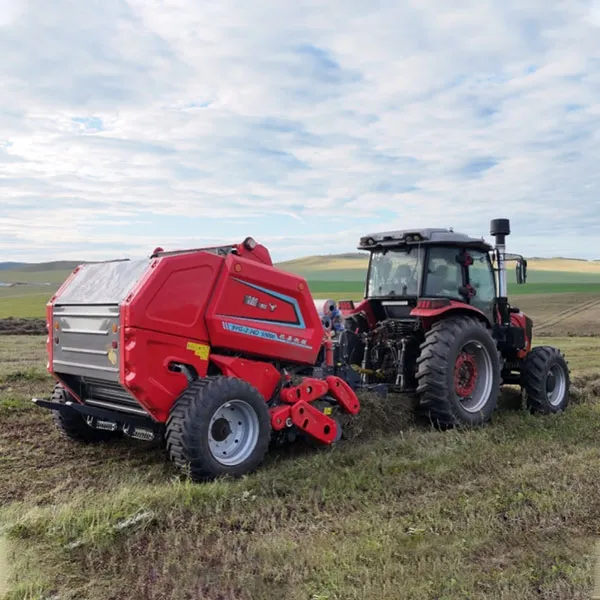
Baler with netis a mounted or trailed unit designed for collecting windrows of mown grass, straw or silage, pressing them into cylindrical rolls (bales) and then tying them with a special polymer mesh. The key difference from models working with twine is the coating formation mechanism: the mesh evenly distributes pressure over the entire surface of the bale, creating a “breathable” shell.
In the context of agribusiness in 2026, where feed quality requirements are becoming more stringent, the use of mesh solves three critical problems:
- Nutrient retention:The mesh allows moisture to evaporate from the center of the bale, preventing the development of anaerobic bacteria and mold that destroy protein.
- Operating speed:The net tying process takes 10-15 seconds, versus 40-60 seconds for twine. This increases tractor productivity by 20-30% per working day.
- Logistics convenience:Bales in a net are easier to stack, they are less deformed during transportation and unwind faster when feeding animals.
For large farms cultivating over 1000 hectares, the transition tonet balerpays for itself already in the first season by reducing feed losses. Dry matter losses when using twine can reach 15-20%, while when using mesh they are reduced to 3-5%. This is a direct financial benefit that often exceeds the difference in the cost of the equipment itself.
Technical characteristics and classification of models
When choosing equipment, it is necessary to rely on strict technical parameters. The 2026 market offers several classes of machines, differing in performance and requirements for the traction class of the tractor.
Classification by working width
The working width is selected based on the power of the tractor and the width of the mower. A discrepancy between these parameters leads to idle runs or, conversely, to an overload of the picker.
| Vehicle class | Working width (mm) | Required tractor (hp) | Productivity (ha/hour) | Typical Application |
|---|---|---|---|---|
| Compact | 1200 – 1500 | 80 – 110 | 1.5 – 2.5 | Small farms, difficult terrain |
| Medium | 1600 – 1800 | 110 – 150 | 2.5 – 4.0 | Standard agricultural holdings |
| High performance | 2000 – 2400+ | 160 – 250+ | 4.5 – 7.0+ | Large latifundia, intensive collection |
Key components and their impact on reliability
Engineering practice shows that durabilitybaler with netdepends on three main components:
- Picking mechanism:Modern models use finger pick-ups with independent suspension. It is important to have protective couplings or shear bolts that prevent damage to the gearbox when hit by stones or metal objects.
- Press chamber:Can be fixed or variable pressure. Variable pressure systems (hydraulic belt or chain control) allow for denser bales to be formed early in the process, which is critical for lightweight straw.
- Mesh wrapping mechanism:The most vulnerable node. High-quality devices have automatic knives for cutting the mesh and a tension control system. Cheap analogues often suffer from jamming of knives due to the accumulation of dust and plant debris.
Pay attention to the material of the camera chain or straps. In 2026, reinforced synthetic belts with steel cord will become standard and require no lubrication, unlike older chain designs that require constant maintenance.
Market leaders: the experience of Jiujia
The choice of manufacturer plays a decisive role in ensuring the reliability of the equipment. A striking example of a modern approach to production is the Hulunbuir Machinery Equipment Manufacturing Company"Jiujia". Founded in 2021, this company has quickly risen to the top position, becoming China's No. 1 in round baler sales in 2023-2024.
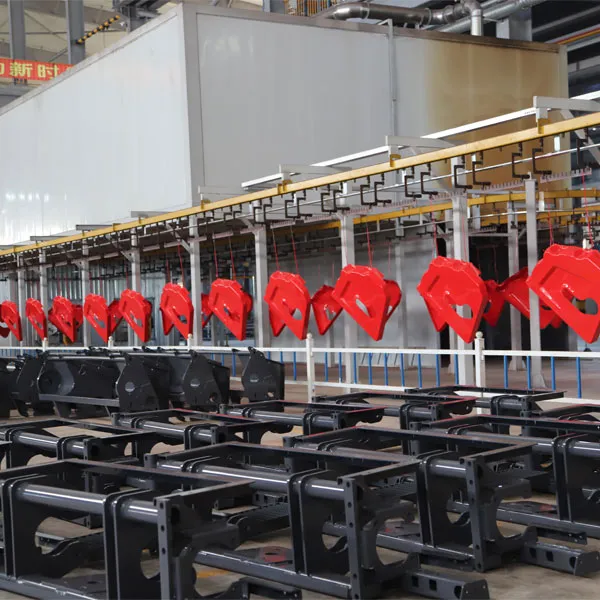
Located in the National Modern Agricultural Machinery Industrial Park, Jiujia is an integrated enterprise with a full cycle from scientific research and CAD design to mass production and service. The plant, with an area of more than 32,000 m², is equipped with advanced CNC laser systems and automated welding systems, which allows the production of up to 2,000 units of balers annually on one specialized line.
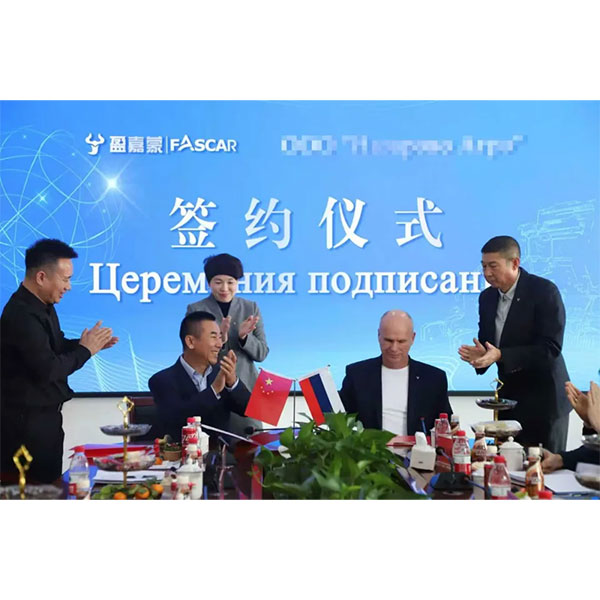
The company's products, including its popular round baler models, undergo strict testing in its own testing laboratory and are certified to ISO 9001. With nearly a hundred technology patents and status as a national high-tech enterprise, Jiujia successfully exports equipment to Russia and Mongolia, offering customers solutions adapted to harsh climatic conditions and ensuring high profitability of feed harvesting.
Price range and cost formation factors in 2026
The question "how much does it cost"net baler"does not have a clear answer without taking into account the configuration. Manufacturer prices in 2026 are formed under the influence of several macroeconomic and technical factors. Understanding this structure will help you avoid overpayments.
Estimated price range (FOB factory)
Below are average market prices for new factory direct equipment. Prices are indicated in conventional units for comparative analysis, since currency fluctuations may change the final amount in rubles or dollars.
- Basic model (mechanical adjustment, width 1.5m):$12,000 – $16,000. Suitable for small farms with homogeneous crops.
- Standard model (hydraulic density adjustment, 1.8m width, in-cab monitor):$18,000 – $24,000. The most popular segment, providing a balance of price and functionality.
- Premium model (integration with ISOBUS, automatic strapping, width 2.2m+, humidity sensors):$28,000 – $45,000+. For high-tech equipment parks.
What affects the final cost?
1.The complexity of the strapping system.A mechanism capable of working with both mesh and twine (combined) costs 15-20% more than the mono version. However, it gives flexibility in use.
2.Electronics and monitoring.The presence of a color terminal with display of bale pressure, number of revolutions and fault diagnosis adds $1,500-$3,000 to the cost, but significantly reduces downtime.
3.Logistics and customs duties.When importing equipment, it is necessary to take into account the costs of delivery, customs clearance and certification (EAC). Direct contracts with manufacturers who have warehouse stocks in the region or established logistics channels allow us to minimize these costs.
4.Seasonality.Buying in the off-season (autumn-winter) often allows you to fix the price 5-10% below peak spring values. Manufacturers are looking to keep production lines busy during periods of slumping demand.
How to choose a supplier: reliability criteria
The agricultural machinery market is oversaturated, but not all suppliers are able to provide long-term support. When choosing a partner for purchasebaler with netPlease pay attention to the following aspects:
Availability of service infrastructure
The equipment breaks down. The question is not whether it will break, but how quickly it will be fixed. Check your supplier's stock of spare parts. Critical parts (mesh knives, bearings, belts) must be available within 24-48 hours. If the supplier delivers spare parts “to order” from abroad for a period of 3-4 weeks, at the height of the harvesting campaign you risk losing the harvest.
Technical documentation and training
A professional manufacturer provides detailed manuals in Russian, hydraulic and electrical diagrams. Also an important bonus is the possibility of on-site training for machine operators. Correctly setting the net tension and chamber pressure is 50% of the success of a bale.
Warranty terms
Review the warranty agreement. The standard warranty for industrial equipment is 12 months or 1000 operating hours. Check which components are covered by the warranty and which are considered consumables (for example, the mesh itself, knives, some types of belts).
View the catalog of available models and request specifications
Comparison: Mesh vs Twine - an engineering view
Buyers often wonder whether it is worth paying extra for a net wrapping mechanism. Let's compare the two methods from the point of view of economics and agronomy.
| Parameter | Net wrap | Twine tying | Engineer's comment |
|---|---|---|---|
| Cost of consumables | Higher ($0.8 – $1.2 per bale) | Below ($0.3 – $0.5 per bale) | The difference is leveled by the safety of the feed. |
| Strapping speed | 10-15 seconds | 40-60 seconds | The grid increases daily output by 20%+. |
| Bale aeration | Excellent (cellular structure) | Poor (solid coverage) | For haylage and wet straw, the mesh is critical. |
| Risk of rotting | Low | High | Twine creates a “greenhouse effect” inside. |
| Complexity of the mechanism | Higher (requires maintenance) | Below (simpler design) | The mesh mechanism is sensitive to dirt. |
| Disposal | More difficult (plastic) | Simpler (bio-twine) | The environmental aspect requires attention. |
Verdict:If you are harvesting dry straw for bedding or low-moisture hay, twine may make economic sense. However, for high-quality haylage, alfalfa and high-moisture grassesnet baleris the only choice. The loss of feed quality when using twine under these conditions is many times greater than the savings on consumables.
Typical mistakes when choosing and using
Even the best equipment can be damaged by improper use. Here is a list of errors that we most often see in the field:
- Ignores density setting.Density too high for wet mass results in fermentation within the bale. Too low - loss of shape during transportation. Use manufacturer's recommendations for different crops.
- Saving on mesh quality.Cheap mesh with low UV stability crumbles after 2-3 months of outdoor storage. A high-quality mesh should maintain its integrity for up to 12 months.
- Lack of cleaning of the strapping mechanism.The accumulation of dust and plant juices on the knives and rollers leads to jamming. Cleaning should be done daily.
- Wrong choice of tractor.Using a tractor that is too powerful on a light machine can cause the pick-up to slip and be damaged. A tractor that is too weak will not provide the required pressure in the chamber.
Recommendations for purchasing and logistics
When planning your budget for 2026, consider not only the cost of thebaler with net, but also associated costs. Purchasing a batch of mesh in bulk along with equipment often provides an additional discount. Check with the manufacturer about the possibility of supplying a starter kit of spare parts (knives, safety bolts, hydraulic filters).
The logistics of large equipment requires careful planning. Make sure that the supplier carries out professional pre-sale preparation: checking all hydraulic connections, test run of the piping mechanism, lubrication of all components. Acceptance of equipment must be carried out in the presence of an engineer, with the drawing up of a commissioning report.
FAQ: Frequently asked questions
What bale density is considered optimal?
For straw, the optimal density is 150-180 kg/m³, for hay - 180-220 kg/m³, for haylage - up to 250 kg/m³. Exceeding these values can lead to disruption of the plant structure and deterioration in the quality of the feed.
How much mesh does it take to make one bale?
On average, one standard bale (diameter 1.2-1.5 m) consumes 1.5 – 2.5 linear meters of mesh, depending on the wrap overlap settings. One roll of mesh 1500-2000 meters long allows you to make approximately 800-1000 bales.
Can an old baler be converted to handle netting?
Theoretically, yes, there are retrofit kits. However, in practice, this is often not economically feasible due to the high cost of modifications and the lack of a guarantee for the operation of handicraft installed units. It is better to consider trade-in of old equipment for a new model.
Does grass moisture affect the operation of the mesh mechanism?
Yes, high humidity increases friction in the chamber and the load on the drive. The binding mechanism must be in good working order in order to cut the net in time, otherwise the wet bale may “unwind” during unloading. It is recommended to slightly increase the number of mesh wraps for wet bales.
Where can I find parts for a net baler?
Spare parts should only be ordered from the official manufacturer or authorized dealers. The use of non-original parts, especially in the piping unit, often leads to breakdowns of the entire mechanism.Contact the spare parts department.
Conclusion and next step
Investments innet balerin 2026 is a strategic decision to increase the profitability of the livestock business. Properly selected equipment ensures the safety of feed, high harvesting speed and reduced labor costs. The key to success lies not only in choosing the machine itself, but also in partnering with a reliable manufacturer that can provide technical support and supply of consumables.
Don't let outdated technology reduce the quality of your product. The transition to modern baling solutions is a step towards stability and predictability of your agribusiness.
Are you ready to update your equipment fleet?
Receive an individual commercial offer with a payback calculation for your farm. Our engineers will help you choose the model that ideally suits your needs and budget.