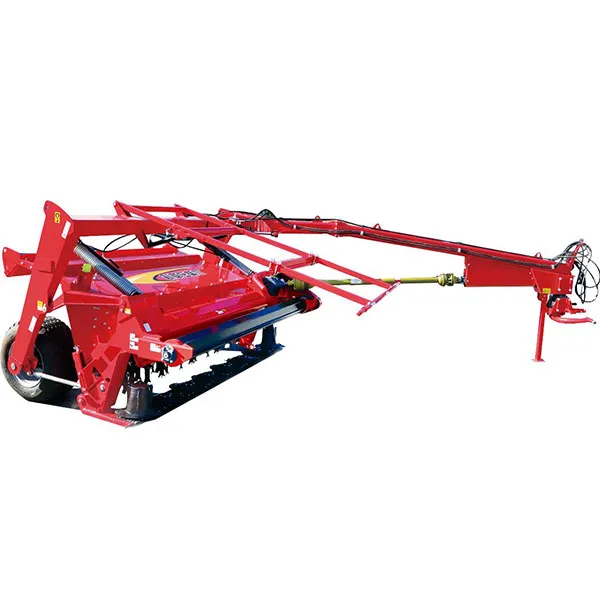
Used round baler: buy inexpensively in 2026
2026-08-22
- Buy a used round baler inexpensively: a strategy for saving without loss of productivity in 2026
- Used balers market in 2026: trends and pricing
- Classification and technical features of roll presses
- How to choose a used round baler: expert checklist
- Price Range and Cost Factors
- Comparison of popular brands on the secondary market
- Alternative to the used market: new solutions from a production leader
- Logistics, pre-season preparation and operation
- Typical mistakes when buying used equipment
- An Engineering Perspective: Limitations and Realistic Expectations
- FAQ: Frequently asked questions about buying used balers
- Conclusion and recommendations for action
Buy a used round baler inexpensively: a strategy for saving without loss of productivity in 2026
The search for reliable feed harvesting equipment often comes down to budgetary constraints. Requestused roll press, buy inexpensivelyis one of the most common in the CIS agricultural machinery segment, as it allows farms and agricultural holdings to optimize capital expenditures (CAPEX) by 40–60% compared to new analogues. In 2026, the market for used (used) equipment has reached maturity: there are clear criteria for assessing the remaining life, standardized testing procedures for hydraulics and mechanical components, as well as streamlined supply chains.
A round baler is a unit designed for collecting mown grass, straw or haylage from the surface of a field, pressing them into cylindrical rolls of a given density and tying them with twine or netting. The key advantage of buying used equipment is the opportunity to purchase premium equipment (for example, European brands with a high residual value) at the price of budget new models from unknown manufacturers. However, low price should not mean low quality. Proper selection requires an in-depth understanding of the wear of key components: the bale chamber, conveyor chains, knife systems and hydraulic circuits. This guide has been developed by engineers with 15 years of service experience and is aimed at minimizing the risks when buying used equipment, striking a balance between initial cost and operational reliability.
Used balers market in 2026: trends and pricing
The situation on the agricultural machinery market in 2026 is characterized by a shortage of new machines in the middle price segment and an increase in the cost of logistics. This has led to a sharp increase in demand for high-quality used units. When an agronomist or chief engineer creates a request “used roll press, buy inexpensively", he is looking not just for a cheap car, but for the optimal price/hour ratio. The market was clearly segmented into three categories, the understanding of which is critical for proper budgeting:
- Budget segment (up to RUB 300,000):Typically these are cars over 15 years old that require major repairs or restoration of the chamber geometry. Suitable for households with their own plumbing workshops and time for repairs.
- Middle segment (RUB 300,000 – 800,000):Equipment 7–12 years old with confirmed operating time (motor hours). The most liquid category. Here you can find models with minimal wear on rolls and chains, ready for work “from under the canopy”.
- Premium used (from RUB 800,000):Cars 3–5 years old from leading European brands. Often this is equipment after leasing with full service at the dealer. The purchase of such units allows you to obtain modern technologies (electronic density control, automatic lubrication) at the price of new Chinese equipment, but with guaranteed quality of metal and assembly.
It is important to note that the term “inexpensive” in the context of industrial equipment is relative. A cheap baler, which is idle 30% of the time of the harvesting campaign due to breakdowns, costs the farm more than an expensive but reliable unit. Therefore, when analyzing offers, it is necessary to take into account the cost of spare parts and the availability of service in your region.
Classification and technical features of roll presses
Before completing a transaction, it is necessary to accurately determine the type of equipment required. An error in choosing the type of press leads to incompatibility with the existing tractor fleet or non-compliance with technological requirements for the preparation of feed. The main classification parameters include the type of chamber, the method of bale formation and the type of binding.
Types of bale chambers
The camera determines the shape and density of the roll. There are two main types, each with its own benefits for specific crops:
- Fixed Chamber:The roll begins to form immediately at the bottom of the chamber. Such presses provide high density throughout the entire volume, especially in the core. They are ideal for dry crops (straw, hay), where maximum density is required for ease of transportation and storage. However, they create a large load on the tractor at the initial moment of bale formation.
- Variable Chamber:The roll is formed on belts or chains that are tensioned hydraulically. The density is adjusted by the operator from the tractor cabin. These machines are better suited for wet crops (haylage, alfalfa), as they allow you to adapt the pressure to the moisture content of the mass, preventing rotting inside the bale. The design is more complex and requires regular checking of the hydraulic system.
Feeding and grinding systems
The presence of a cutting mechanism (knife drum) is critical for the quality of the feed. Presses without knives simply pick up the mass, while models with a chopper cut the stems into fragments 40–90 mm long. This speeds up the fermentation process when laying haylage and makes it easier for animals to eat the feed. When purchasing used equipment, the condition of the blades and drum bearings is one of the main indicators of the overall care of the machine. Dull or damaged blades increase resistance to movement and the load on the tractor PTO.
How to choose a used round baler: expert checklist
The process of selecting used equipment should be systematic. Emotional decisions (“looks intact”) are not acceptable in the industrial sector. Below is a technical examination algorithm that allows you to identify hidden defects before transferring money.
1. Inspection of the camera frame and geometry
The frame bears the main load. Look for weld marks in the areas where the camera attaches to the frame - this is a sign of previous failures due to overload or stones. The camera geometry should be perfectly round (for fixed cameras) or oval without distortion. Check the clearances between the side walls and the rollers/belts. Uneven gaps will result in tapered bales that are unstable when stacked.
2. Condition of the conveyor system (chains and belts)
This is the most expensive element of repair.
- Chains:Check tension. Sagging of more than 2-3 cm in the free area indicates critical wear or stretching of the links. Inspect the guide rollers - they should rotate freely, without play. Replacing a set of chains can cost up to 30% of the cost of the entire press.
- Belts:Look for cracks, delamination and signs of burning from friction. If the belts have been changed recently, check the brand and service life. Cheap analogues last 2-3 times less than the originals.
3. Hydraulic system
Oil leaks are not just an aesthetic defect, but a sign of wear of oil seals and seals. Pay special attention to the hydraulic cylinders for tensioning the chamber and lifting the pick-up. Cylinder rods must be mirror-smooth, without corrosion or nicks. Corrosion on the rod will quickly damage the seals, resulting in a drop in pressure and an inability to maintain bale density. Check the operation of the hydraulic motor (if there is one) for any extraneous noise or jerking.
4. Pickup
The pick-up teeth must be flexible and not brittle. Check the cutting height: it should be adjusted smoothly. Wear on the pick-up gauge wheels causes the machine to “dig” the ground, contaminating the feed and accelerating the wear of the knives. Play in the cardan shaft of the pick-up drive is unacceptable - it causes vibration that destroys the bearings.
5. Strapping system
Check the knot tying mechanism. This is the “heart” of the machine. Ask to demonstrate the tying cycle (can be done manually or at idle). The mechanism should work smoothly, without jamming. Wear of springs and needle grips is a common problem with used presses. Spare sets of needles and springs should be available in the Russian Federation.
Price Range and Cost Factors
Understanding what affects the price helps you bargain and avoid overpriced items. When do you planused roll press, buy inexpensively, consider the following price drivers:
| Factor | Impact on price | Expert commentary |
|---|---|---|
| Year of manufacture and operating time | High | A 2018 machine with 500 hectares of operating time costs more than a 2020 machine with 3,000 hectares. Engine hours are more important than calendar age. |
| Brand and origin | Average | European brands (Krone, Claas, John Deere, New Holland) keep prices better due to the availability of spare parts. Asian brands are losing value faster. |
| Availability of a chopper | +15-25% | Models with a knife drum are more versatile and more expensive. Make sure the knives are not chipped. |
| Type of harness | Low | Presses that work with both mesh and twine are valued higher than those with twine only because of the speed of operation (the mesh is faster). |
| Tire condition | Average | A set of new tires for the press can cost 50-100 thousand rubles. Tire wear of more than 50% is a reason to reduce the price. |
Engineering tip: don't be afraid of cars with external cosmetic defects (dents on the hood, scuffed paint). If the technical part (bearings, chains, hydraulics) is in order, such a machine will last as long as the “handsome” one from the exhibition. Overpaying for appearance in the B2B segment does not pay off.
Comparison of popular brands on the secondary market
The choice of brand determines the logic of further ownership. Let's look at the most common brands on the Russian used equipment market.
Krone (Germany)
Leader in camera reliability. The Round Baler range features durable construction.
Pros:High roll density, excellent geometry, durable chains.
Cons:Expensive original spare parts, complex electronics in new models (requires diagnostics).
Verdict:An ideal choice for intensive use over large areas.
Claas (Germany/France)
Rollant models are known for their versatility.
Pros:Excellent tying system, good adaptation to different crops, wide service network (even for used ones).
Cons:Sensitive to the quality of the twine/mesh and requires precise tension adjustment.
Verdict:Good balance of price and technology, easy to resell in the future.
John Deere (USA/Germany)
Series 300 and 400.
Pros:Innovative density control systems (Active Moisture Control in older models), comfort for the operator.
Cons:High maintenance costs, software dependency, expensive hydraulic components.
Verdict:It is worth taking only if you have qualified service and original consumables.
Domestic and Asian brands (Rostselmash, Anhui, etc.)
Pros:Low initial price, simplicity of design, cheap spare parts.
Cons:Rapid wear of metal elements, the need for frequent tightening of bolted joints, unstable metal quality.
Verdict:Suitable for small farms with limited budgets and the ability to repair themselves.
Alternative to the used market: new solutions from a production leader
If an analysis of the used equipment market shows that the cost of restoring an old unit is comparable to buying a new one, or if you need a guarantee of reliability from the first day of operation, it is worth paying attention to modern manufacturers offering competitive alternatives to European brands.
A striking example of this approach isHulunbuir Jiujia Machinery Manufacturing Company. Founded in 2021, this company has quickly risen to the top position, becoming China's No. 1 in round baler sales in 2023-2024. Located in the National Modern Agricultural Machinery Industrial Park, Jiujia is an integrated enterprise with a registered capital of 10 million yuan and a production area of more than 32,000 m².
Why is it worth considering Jiujia equipment as an alternative to expensive used equipment?
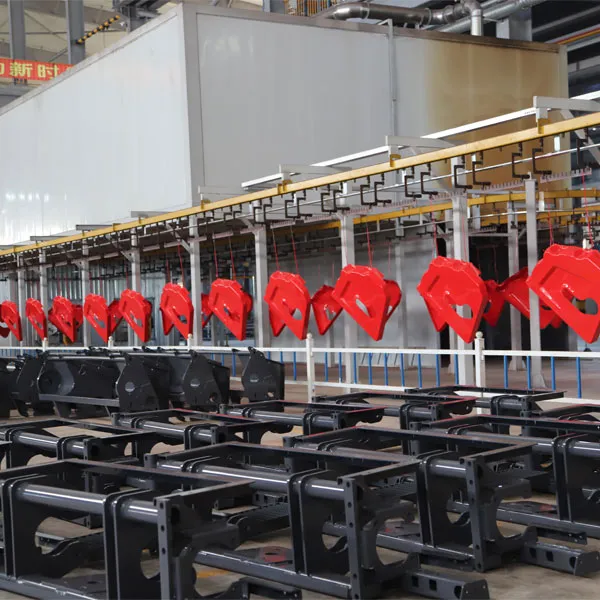
- Technological superiority:The company uses computer aided modeling (CAD) and is equipped with more than 100 pieces of high-tech equipment, including CNC laser cutting and automated welding systems. Having our own testing laboratory and ISO 9001 certification guarantees consistent quality comparable to the best global standards.
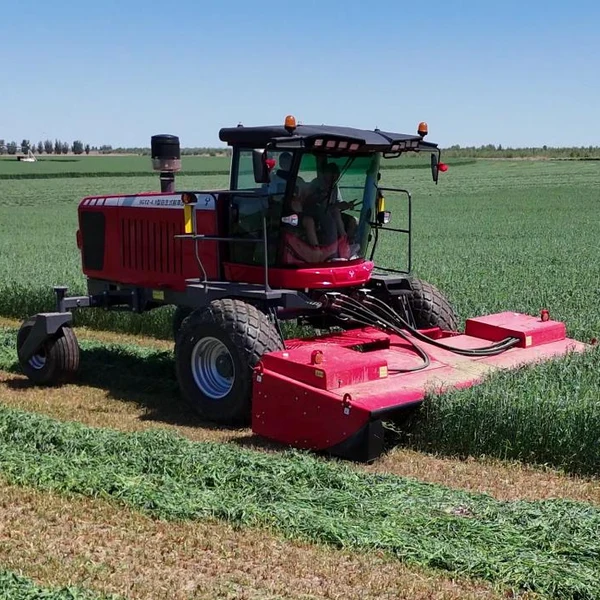
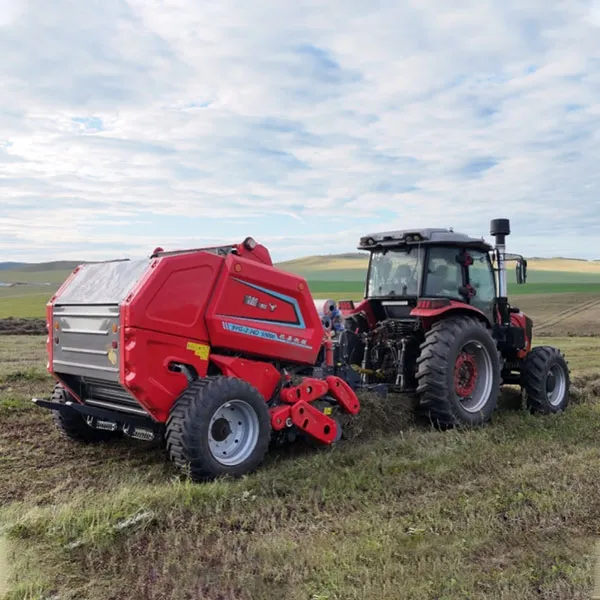
- Wide range of products:The product range includes not only round balers (including models 9YG-1.0 and film wrap balers 9YCM-850), but also mower rakes, lifting machines and other specialized equipment. This allows you to fully equip your equipment fleet with one supplier.
- Export experience to Russia:The company is actively working in the Russian market, having established logistics chains and experience in participating in Chinese-Russian exhibitions. The products are adapted to harsh climatic conditions and different soil zones.
- Economic efficiency:Purchasing new equipment from Jiujia eliminates the risks of hidden wear and tear characteristic of the used market. You receive equipment with zero operating hours, a full manufacturer’s warranty and an affordable cost of spare parts, which in the long run may be more profitable than purchasing a premium used analogue.
The company's philosophy of “Start with customer needs, end with customer satisfaction” is confirmed by its status as a national high-tech enterprise and AAA credit rating. For those who are looking for a balance between price and reliability, Jiujia products are becoming an increasingly popular choice among Russian farmers.
Logistics, pre-season preparation and operation
Purchasing is just the beginning. To purchase an inexpensive used round baler (used roll press, buy inexpensively) turned out to be a profitable investment, it is necessary to competently organize delivery and commissioning.
Transportation
Balers are classified as oversized loads in width (often more than 2.55 m). For transportation, a trawl or wide-area trailer is required. Before loading, be sure to secure the camera in the transport position, relieve the pressure in the hydraulic system (if provided for in the instructions) and secure the moving elements (pick-up, drawbar). Lack of fixation can lead to hydraulic failure when swaying on the road.
Pre-season Check
Even if the press is purchased “ready to work”, it is recommended to follow the following regulations before leaving for the field:
- Change the oil in the gearboxes and hydraulic tank (if the service history is unknown).
- Check the tire pressure according to the table on the sidewall (different pressures on the left and right are unacceptable).
- Lubricate all lubrication points (nipples). Pay attention to the roller bearings - they operate in highly dusty conditions.
- Adjust the pick-up height to the average stubble level of your field.
- Carry out a test run at idle speed and in a small area of the field, checking the shape of the first 3-5 rolls.
Typical mistakes when buying used equipment
An analysis of hundreds of transactions revealed repeated buyer mistakes that lead to financial losses.
Mistake 1: Ignoring service history.
Buyers only look at the current condition. However, if the previous owner used cheap twine that did not meet specifications, the binding mechanism may have microcracks that will only show up under load during peak season. Always ask for receipts for consumables.
Mistake 2: Buying without a test drive.
Buying a press from a photo is a huge risk. Many defects (vibration, uneven belt tension, electronic failures) are visible only in the dynamics. If the seller refuses to check the work, refuse the deal.
Error 3: Tractor power mismatch.
Powerful presses with chopper require tractors with power from 120-140 hp. and having a hydraulic system with sufficient oil flow. Buying a powerful press for a weak tractor will lead to overheating of the tractor hydraulics and poor-quality pressing.
Mistake 4: Saving on shipping.
Attempting to save money on professional transportation and towing a press over long distances on public roads is prohibited by traffic regulations and is dangerous for equipment. A broken suspension or deformed drawbar will cost more than the trawl service.
An Engineering Perspective: Limitations and Realistic Expectations
It is important to be honest about the limitations of buying used equipment. Even the best used press will have a residual life less than that of a new one. You must be prepared for the fact that in the first year of operation you will need to replace consumables: belts, chains, knives. This is not a defect, but the norm for the second life of the car.
Additionally, there is uncertainty regarding electronic control units on vehicles older than 10 years. If the electronics fail, finding a used unit can take time, and a new one can be disproportionately expensive. Therefore, for farms remote from service centers, it is recommended to consider mechanical versions of presses or models with simple, repairable electronics.
Buyer's Practical Advice: Always leave a contingency budget of 10-15% of the purchase price for immediate maintenance and replacement of critical components after purchase. This is a “safety cushion” that will save the season.
FAQ: Frequently asked questions about buying used balers
Is it possible to buy a used round baler inexpensively with a guarantee?
It is impossible to obtain an official factory warranty for used equipment. However, many large dealers and specialized companies offer their own warranty on components and assemblies for a period of 3 to 6 months. This increases the cost of the machine, but reduces the risks. Private sellers usually sell equipment “as is”.
What to look for first during an inspection?
First of all, look at the condition of the forming chambers (rolls/belts/chains) and the binding mechanism. The frame and wheels are important, but repairs are predictable and cheaper. A breakdown of the strapping mechanism during harvesting stops all work.
Which press is better: with a net or with twine?
For haylage and wet grasses, a net is better - it wraps faster and better protects the bale from air. For dry straw it is cheaper to use twine. Universal presses that handle both materials are the best choice for mixed farms, but they are more difficult to set up.
How to check the roll density on a used press?
The density is adjusted hydraulically (in variable chambers) or spring (in fixed chambers). For a test drive, make rolls with different density settings. Weigh them or measure their diameter. If, at maximum tension, the roll does not hold its shape or has incorrect geometry, the problem is worn belts/chains or leaks in the hydraulic system.
Is it worth buying presses from Europe?
Yes, if you can check their history. European presses often ran on high-quality feed and had regular service. However, consider the costs of logistics and customs clearance. Sometimes a local option with a transparent history is more profitable.
Conclusion and recommendations for action
Buying used equipment is an art of compromise between price, condition and potential repair costs. Request "used roll press, buy inexpensively"in 2026 is more relevant than ever, but requires a balanced approach. Don't chase the lowest price on message boards. Choose equipment with a clear history, the possibility of test operation and the availability of spare parts in your region.
Remember: a cheap press that works is more expensive than an expensive one that costs repairs. Invest time in preliminary diagnostics, engage independent experts to inspect complex components, and do not forget to budget for initial maintenance.
If you want to choose a specific model for your needs, compare several options, or get advice on technical expertise before purchasing, contact our specialists. We will help you evaluate the feasibility of purchasing a specific lot and offer alternative solutions, including a review of modern equipment from trusted manufacturers.
Ready to discuss options?
Get advice and equipment catalog
We also recommend that you read our sectionbaler spare partsand maintenance services to ensure the smooth operation of your equipment in the 2026 season.