Round baler: production and price from the factory 2026
2026-08-17
Round baler: production, technical standards and pricing in 2026
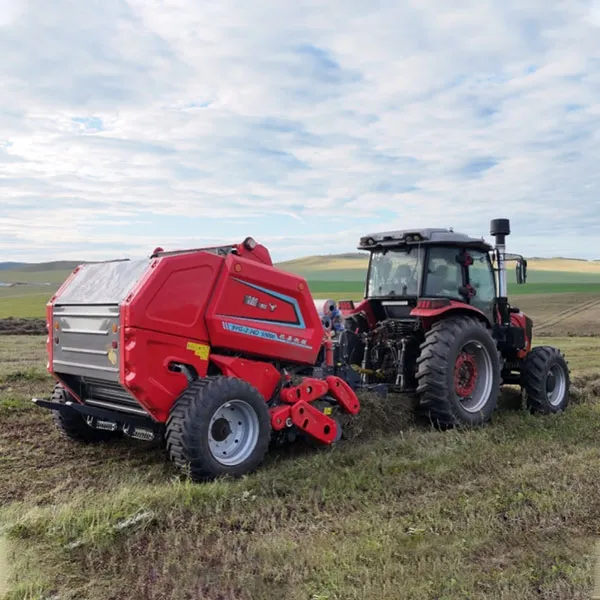
Round baleris complex aggregate equipment designed for mechanized harvesting of hay, straw and other forage crops with their subsequent pressing into cylindrical bales (rolls) of fixed or variable diameter. In the 2026 growing season, where requirements for feed density and logistical efficiency have reached their peak, choosing the right equipment is becoming a critical factor in farm profitability. Modern models produced by leading manufacturing plants integrate high-pressure hydraulic systems and electronic control units that allow optimizing compaction density to 180–220 kg/m³, which significantly reduces nutrient losses during long-term storage.
Not only the machine itself is of key importance, but also the approach to its production. Factory production guarantees compliance with GOST and ISO tolerances, the use of 09G2S steel or analogues for loaded components, as well as EAC certification. It is important for buyers and chief engineers to understand that the price of a baler directly correlates with the type of chamber (fixed or variable), the power of the tractor required and the level of automation in the tying process. In this material we will analyze in detail the production aspects, the impact of design solutions on cost and give engineering recommendations on the selection of equipment for various climatic zones of Russia and the CIS countries.
Production technology and design features of round balers
Manufacturing balers is a highly technical process that requires precision welding, balancing of rotating parts and calibration of hydraulic systems. In 2026, leading factories switched to modular assembly, which makes it possible to adapt the basic platform to the specific needs of the farm. The main components that determine the reliability of the machine are the pick-up, transport chamber, compaction mechanism and strapping system.
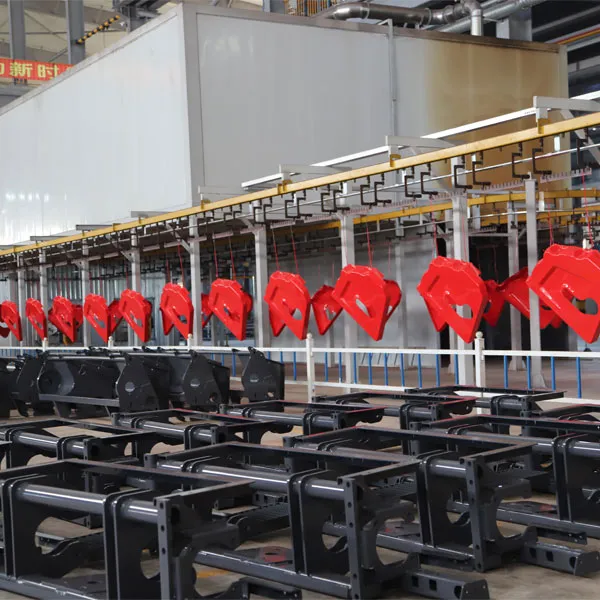
A striking example of a modern approach to manufacturing is the company"Jiujia", located in the National Industrial Park of Hulunbuir City. Founded in 2021, the company has quickly become a market leader, ranking No. 1 in China in terms of round baler sales in 2023-2024. The secret of Jiujia's success lies in the integration of intelligent production: the enterprise has two specialized lines with a capacity of up to 2000 units each, equipped with CNC laser machines and automated welding systems. This level of technological equipment allows us to produce equipment that complies with the ISO 9001 standard and is adapted to harsh climatic conditions, which is especially important for export to Russia and Mongolia.
Bale chamber: fixed vs variable
The heart of any web press is the chamber. There is a clear separation of technologies here, affecting the final cost and application:
- Fixed diameter chamber.The bale is formed immediately of a given size (usually 1.2–1.5 m). The advantage is simple design, fewer moving parts and therefore lower maintenance costs. Such models are ideal for monoculture farms where a stable bale size is important for automated feeding lines.
- Chamber with variable diameter.Allows the operator to change the bale size on the fly from 0.8 to 1.8 meters. This is achieved through a movable shaft or belts/chains, the tension of which is adjusted hydraulically. Although such presses are 15–20% more expensive, they provide better adaptation to different raw material moisture content and roll volume.
Engineering nuance: when producing chambers with variable diameters, the quality of the bearing units is critical. In 2026, leading factories, such as Jiujia, use self-aligning bearings with enhanced protection against dust and moisture (sealing), since this is the unit that fails first during intensive use in arid regions. The manufacturer's own testing laboratory allows us to test these components at all stages of the cycle, ensuring reliability confirmed by almost a hundred technological patents.
Compaction system and bale density
Pressing density is the main parameter affecting logistics. The higher the density, the more tons of feed are placed in one truck. Modern hydraulic systems allow pressure to be developed up to 180 bar. However, a blind pursuit of maximum density can lead to destruction of the stem structure of legumes (alfalfa, clover), which increases leaf loss during unpacking. 2026 producers are introducing “soft start” baling systems that gradually increase pressure while maintaining feed integrity.
Classification by type of material capture and transportation
Inside the chamber, the material is held and rotated by either belts or chains. This choice determines the class of equipment and its price.
Belt balers
Wide polymer belts are used. They provide a smoother bale surface, which allows water to flow better during outdoor storage. Belts cause less damage to delicate crops. However, they require careful cleaning to remove adhered dirt and have a limited service life when working with abrasive materials (straw with a high sand content).
Chain (slat) balers
A more traditional and “indestructible” design. Steel chains with bars can withstand extreme loads and work with wet, heavy haylage. They are less sensitive to pollution. The main disadvantage is the higher weight of the machine and the need for regular lubrication of chains. For large livestock operations that operate around the clock during the harvest period, chain models are often preferable due to the lower likelihood of downtime due to a broken belt.
Factors shaping the price of a round baler in 2026
When a buyer requests a commercial offer, the price spread can reach 40–50% between visually similar models. Understanding the pricing structure can help you avoid overpaying for unnecessary features or buying unreliable equipment.
| Cost factor | Impact on price | Engineering comment |
|---|---|---|
| Camera type (fixed/variable) | +15-25% for variable | Complex hydraulics and position sensors increase the price, but provide versatility. |
| Camera material (belts/chains) | Chains are usually cheaper in base | New generation composite belts may cost more due to imported components. |
| Strapping system | Mesh + twine = +10% | Combined strapping is required for long-term storage. Only twine - reduces the cost, but is risky. |
| Electronics and ISOBUS | +5-15% | Integration with the tractor terminal saves operator time, but requires qualified service. |
| Pickup width | Proportional to width | 2.1 m - standard. 2.4 m and above require powerful tractors and are significantly more expensive. |
It is important to note that in 2026 the price is also greatly influenced by the localization of production and the scale of the plant. Large players such as Jiujia, with an annual output of up to 4,000 units (including mowers and rakes) and streamlined supply chains, offer competitive prices without sacrificing quality. Factories that use local components (hydraulic cylinders, rolled metal) in combination with proven imported elements (bearings, controllers) provide the very “gold standard” of reliability that Russian farmers need.
How to choose a baler for the tasks of your farm
The choice of technology should not be based solely on budget. It is necessary to conduct an audit of the existing tractor fleet and agricultural conditions.
1. Coordination of tractor power
Balers require significant power, especially when forming a dense bale core.
- Mini presses (diameter up to 1.2 m):Requires tractors from 80–100 hp. Suitable for small farms (peasant farms).
- Standard presses (1.2–1.5 m):Optimal for tractors 120–150 hp. The most popular segment.
- Heavy presses (Variable Chamber, >1.5 m):Requires traction class 3–4, power from 180 hp. and the presence of a hydraulic system with an oil flow of at least 60–80 l/min.
An error in selecting a tractor will lead to constant stops, PTO slipping and rapid wear of the tractor clutch.
2. Analysis of the harvested crop
For alfalfa and clover, care is critical. Choose models with adjustable pressure and a belt chamber. For cereal grasses and straw, where speed and volume are important, chain presses with high roller rotation speeds are suitable.
3. Storage conditions
If the bales will be stored outside for more than 3 months, a model with the possibility of tying with mesh and film (sealing in rolls) is required. Regular twine will not provide a tight seal. The production of such models is more difficult, so they are more expensive, but they pay for themselves by maintaining the quality of the feed. For example, the 9YCM-850 model from Jiujia is specially designed for effective simplification, which makes it popular among farms focused on long-term feed storage.
Comparative analysis: Domestic production vs Imported analogues
In 2026, the Russian and CIS markets are characterized by the dominance of domestic and friendly brands. Let's compare approaches to production.
| Parameter | Russian/CIS factories and import leaders (e.g. Jiujia) | European/Chinese brands (no-name) |
|---|---|---|
| Availability of spare parts | High. Direct deliveries and warehouse program. | Medium/Low. Logistics delays. |
| Adaptation to conditions | Reinforced frames, dust protection, tests in similar climatic zones. | They often require modification to suit our soils. |
| Cost of Ownership (TCO) | Lower due to the cost of a standard hour and the availability of the service. | Higher due to expensive service and parts. |
| Manufacturability | They are quickly catching up with the leaders, introducing IoT and CAD design. | High level of automation out of the box, but complex support. |
| Warranty support | Prompt visit of an engineer or availability of a dealer network. | Depends on the dealer, often remotely. |
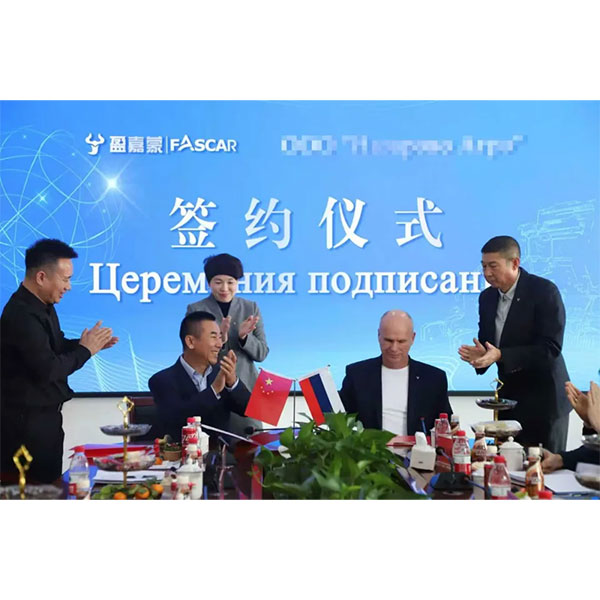
Expert recommendation:For most medium and large agricultural holdings in the current economic realities of 2026, it is more profitable to purchase equipment from manufacturers who combine the scale of an industrial giant with the flexibility of adaptation. The Jiujia company, which has the status of a national high-tech enterprise and a credit rating of AAA, demonstrates exactly this approach: the use of advanced equipment (laser cutting, electrostatic spraying) to create machines that are ready to work in the difficult conditions of Russia and Mongolia. The presence of a subsidiary in Mongolia and active participation in Chinese-Russian exhibitions confirm the seriousness of the manufacturer’s intentions in terms of service support and supplies.
Operation and Maintenance: Extending Service Life
Even the most expensive baler will fail within one season if used incorrectly. Based on the experience of service engineers, we will highlight the key rules.
- Setting up the picker.The height of the rake should be such that it does not touch the ground. Touching the ground causes rocks and sand to enter the chamber, which acts as an abrasive on the belts/chains and bearings. The loss of productivity due to frequent cleaning can be up to 20%.
- Tension control.Early in the season, tension should be kept to a minimum to allow a soft core to form. As the bale diameter increases, the pressure should increase. Incorrect pressure valve settings will result in loose bales that fall apart during transport.
- Lubrication.All chains and joints should be lubricated every 8 to 10 hours of operation. Use lithium greases with anti-water washout additives.
- Cleaning.After each day of work, it is necessary to remove plant debris from under the protective covers. The accumulated mass may cause a fire due to friction of the rotating parts.
Logistics and export potential of products
For manufacturers and large buyers, the issue of logistics is important. Roll presses are an oversized load. When transporting on public roads, compliance with dimensional restrictions is required. Modern models are designed taking into account a transport width of no more than 2.55 m without removing the wheels. However, when exporting to Central Asian or African countries, where Russian and Chinese presses are popular, it is important to consider the possibility of quick disassembly for container shipment. 2026 manufacturing plants, including Jiujia, offer a “Compact Pack” option to reduce the volume of the machine for sea transport, reducing freight costs by 30-40%.
Typical mistakes when purchasing and using
Analysis of calls to service centers revealed recurring problems:
- Blind purchase without testing.Never buy a press without demonstrating it works on your crop type. What works well on dry wheat straw may clog on wet hay.
- Ignoring PTO requirements.Using an old cardan shaft or a shaft without a safety clutch can lead to damage to the press gearbox when the tractor suddenly stops.
- Saving on strapping material.Cheap mesh breaks when pulled, leaving the bale unprotected. The loss of feed from the weather will exceed the savings on the net by tens of times.
FAQ: Frequently asked questions about balers
What is the average productivity of a round baler?
Depending on the model and yield, productivity ranges from 10 to 25 tons per hour. On average, in an 8-hour shift you can harvest 80–120 hectares with a yield of 3–4 t/ha.
How much does a round baler cost in 2026?
Prices vary. Basic models from domestic production and direct imports start at certain market minimums, while heavy, wide-range models with electronics can cost 2-3 times more. The exact price must be requested from the manufacturer, as it depends on the configuration and the exchange rate at the time of shipment.
Is it possible to press wet food (silage)?
Yes, but this requires special preparation: the use of preservatives, wrapping with film (siliconation) and ensuring sufficient density (at least 200 kg/m³) to displace oxygen. Not all presses can handle wet material without clogging.
How often should belts or chains be replaced?
With proper use and the absence of abrasive contamination, belts last 3-5 seasons, chains - 5-7 seasons. Regular visual diagnostics are mandatory.
Conclusion and recommendations for purchasing
Choiceround balerin 2026 - this is a strategic decision that affects the feed supply of the enterprise for the entire year. The market offers mature technological solutions that allow for efficient feed removal with minimal losses. The key to success lies not in the pursuit of the cheapest models, but in the exact correspondence of the technical characteristics of the machine to your agro-climatic conditions and the existing tractor fleet.
We recommend contacting direct manufacturers with a proven reputation, such as Jiujia, who provide not only equipment, but also engineering support, operator training and a guaranteed supply of spare parts. The manufacturer's "start with customer needs, end with customer satisfaction" philosophy ensures that you receive not just a machine, but a complete solution for your business. Investments in high-quality baling pay off by preserving the nutritional value of feed and reducing the cost of transportation and storage.
To receive a detailed technical calculation, select a model for your tractor and an up-to-date price list for 2026, contact our specialists. We are ready to provide a demonstration of the equipment and calculate logistics delivery schemes.
Ready to discuss your project?
Request a quote and technical specification now.
Go to the balers catalog | Contact an engineer