Buy a square bale baler: prices from the manufacturer 2026
2026-08-24
- Buy a square bale baler: prices from the manufacturer and technical solutions 2026
- Why square bales: economic efficiency and logistics
- Specifications: What to look for in the specification
- How to choose a model for your tasks: an engineering approach
- Price range and cost formation factors in 2026
- Logistics, delivery and service
- Comparison: New press vs used equipment
- Typical operating mistakes and how to avoid them
- About the manufacturer: Jiujia technologies for Russian agribusiness
- Frequently asked questions (FAQ)
- Buying Guidelines and Next Steps
Buy a square bale baler: prices from the manufacturer and technical solutions 2026
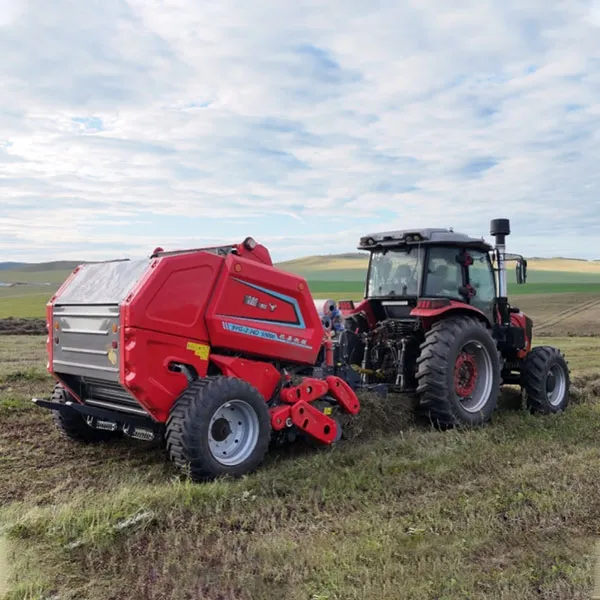
If you are planningbuy a square bale baler, it is important to understand that in 2026 the agricultural machinery market has shifted towards high compaction densities and energy efficiency. Square bales remain the gold standard for feed logistics due to their ability to pack tightly into vehicles, minimizing volume loss during long-distance transport. Modern models, which we offer directly from the manufacturer, are equipped with automatic density control systems and integrated humidity sensors, which allows you to optimize the feed preparation process even in difficult weather conditions.
The choice of equipment depends not only on the power of the tractor, but also on the type of crop being harvested - be it alfalfa, cereal grass or straw. Our balers are designed taking into account the requirements of the Russian agricultural sector: a reinforced frame adapted to uneven fields, and ease of maintenance that does not require complex diagnostic equipment. In this guide, we'll break down the latest prices, specifications, and selection criteria to help you make an informed investment decision.
Why square bales: economic efficiency and logistics
Solutionbuy a square bale baleroften dictated by the economic feasibility of storage and transportation. Unlike rolled analogues, square bales have a geometry that allows 95-98% of the space of warehouses and freight transport to be used. This is critically important for large agricultural holdings and farms operating for export or supplying feed to remote regions.
Key Advantages of Square Pressing
- Packing Density:The ability to achieve a density of up to 220-250 kg/m³ for straw and up to 300 kg/m³ for haylage, which reduces storage costs per unit weight.
- Stacking stability:The rectangular shape eliminates the risk of rolling and collapsing when stored outdoors or in high stacks.
- Automation of loading:Standard bale sizes allow the use of forklifts and automatic feed systems, reducing reliance on manual labor.
- Conservation quality:High density displaces air from the feed mass, slowing down oxidative processes and preserving the nutritional value of the protein.
In 2026, we are seeing a trend towards larger and larger sizes of small and medium square bales. If previously bales weighing 15-20 kg were considered the standard, now demand is shifting towards large square bales (Big Square Bales), the weight of which can reach 600-900 kg. This requires more powerful tractors (from 120 hp), but significantly increases productivity per hectare/hour.
Specifications: What to look for in the specification
Before placing an order andbuy a square bale baler, it is necessary to study in detail the technical data sheet of the equipment. Not all machines labeled as “square presses” are created equal. The differences lie in the design of the compression chamber, the type of knitting machine and the knife drive system.
Compression chamber and piston mechanism
The heart of any square press is the piston. Our 2026 models feature a longer stroke crank mechanism. This ensures a more even distribution of pressure along the entire length of the bale. It is important to pay attention to the piston material: the use of wear-resistant Hardox steel or its analogues increases the service life of the part by 40% compared to standard steels, especially when working with abrasive crops such as wheat or barley straw.
The piston stroke frequency varies from 40 to 55 strokes per minute. The high frequency allows the tractor to operate at high speeds (up to 12-15 km/h), but requires a power reserve in the traction machine. For tractors with a power of 80-100 hp. It is recommended to choose models with adjustable frequency or mechanical load limitation.
Knitting system (tying knot)
The reliability of the harness is a factor that determines equipment downtime. We use double needles with automatic lubrication system. The number of strapping knots depends on the working width:
- For bales 1.2 m wide - usually 4-6 knots.
- For bales 1.35 m wide or more - up to 8-10 knots.
The use of polypropylene twine with a thickness of 2.0-2.5 mm is standard. It is important that the mechanism has a function for automatically removing twine scraps, preventing the residue from wrapping around moving parts.
Working width and pick-up
The working width of the picking device must correspond to the width of the windrow left by the mower. Typical values are 1.8 m, 2.1 m and 2.4 m. The pick-up should have floating gauge wheels to accurately follow the contour of the soil and minimize the entry of soil and stones into the bale. Contamination of the feed with soil not only reduces its quality, but also accelerates the wear of the mold and piston.
| Parameter | Small square press | Big Square Press |
|---|---|---|
| Required tractor power | 50 – 80 hp | 120 – 250+ hp |
| Bale dimensions (W x H) | 35×40 cm, 40×50 cm | 120×130 cm, 120×90 cm |
| Bale weight (straw) | 15 – 25 kg | 400 – 900 kg |
| Productivity (ha/h) | 0.8 – 1.5 | 3.0 – 6.0 |
| Type of harness | Twine | Twine / Mesh (optional) |
| Purpose | Small farms, horse farms | Agricultural holdings, export, bioenergy |
How to choose a model for your tasks: an engineering approach
An error in choosing equipment often leads to equipment being idle or worn out. To get it rightbuy a square bale baler, audit your resources. Don't just look at the price of the car; Assess total cost of ownership (TCO).
Step 1: Tractor fleet analysis
Check the presence of a PTO (power take-off shaft) and its type. Most modern presses require a PTO speed of 540 or 1000 rpm. For large balers, it is critical to have a hydraulic system with sufficient oil flow (minimum 60-80 l/min) to control bale density and bale unloading. If your tractor is more than 10 years old, additional hydraulics may need to be installed.
Step 2: Crop Type and Humidity
If you plan to bale haylage with a moisture content of 40-50%, you need a model with the ability to add a preservative. Our presses are equipped with tanks and nozzles for spraying organic acids (formic, propionic), which prevent mold inside a dense bale. For dry straw, this option is not required, but is desirable to reduce the fire hazard.
Step 3: Intensity of Use
For seasonal work (100-200 hectares per year), basic models with mechanical adjustment are suitable. For intensive use (more than 1000 hectares), models with electronic monitoring, an automatic load shedding system when stones hit, and reinforced bearings are required. Saving on the class of a machine with large volumes will lead to an increase in repair costs by 2-3 times.
Price range and cost formation factors in 2026
The issue of price is decisive. The cost of equipment is formed from several components: metal intensity, hydraulic complexity, electronics and logistics. In 2026, prices have stabilized, but depend on exchange rates and the availability of components.
What affects the final price tag?
- Bale width and height:The larger the chamber volume, the more expensive the car. Large square presses cost 3-5 times more than small ones.
- Monitoring system:The presence of a terminal in the tractor cabin that displays the pressure in the chamber, the number of bales made and fault diagnosis adds 10-15% to the cost, but pays off by preventing breakdowns.
- Cutting scissors:Models with built-in choppers are more expensive, but they allow you to obtain a short fraction of feed, convenient for mixing in TMR mixers.
- Service support:Purchasing from an official manufacturer includes warranty service and a spare parts warehouse, which may be a little more expensive than “gray” imports, but guarantees performance during the season.
We offer a flexible pricing system. Basic models of small square presses are available in the segment optimal for small businesses. Large industrial complexes can count on individual discounts when ordering a batch of equipment or complex equipment of a fleet.
Engineering Note:Don't go for maximum density if your tractor doesn't have enough weight and grip. Trying to squeeze the maximum out of a machine on a light tractor will result in slippage and rapid wear of the tractor clutch, and not in a quality bale.
Logistics, delivery and service
When purchasing large equipment, logistics becomes part of the product. We organize delivery throughout the Russian Federation and to the CIS countries. Large square presses often require permission for oversized cargo, since their transport width can exceed the standard 2.55 m. Our logisticians take care of route calculations and paperwork.
Service and spare parts
The forage harvesting season is short. Downtime of equipment, even for one day, can cost more than the part itself. Therefore we provide:
- Pre-season diagnostics (recommended in March-April).
- Shipment of critical spare parts (needles, knives, belts) within 24-48 hours from the warehouse.
- Departure of service teams during the harvesting campaign.
All our presses comply with EAC standards and have the necessary certificates for registration with Gostekhnadzor (if necessary, registration).
Comparison: New press vs used equipment
Buyers often consider the option of purchasing used European equipment. Let's compare the risks and benefits.
| Criterion | New press from the manufacturer (2026) | Used press (Europe, 5-7 years) |
|---|---|---|
| Warranty | 12-24 months full warranty | Absent or limited (1-2 weeks) |
| Wear of components | Zero, resource 100% | Hidden wear of the piston, chamber, bearings |
| Technologies | Modern electronics, precise density control | Outdated hydraulics, lack of diagnostics |
| Spare parts | Available in stock, original | Search for analogues, long delivery times, risk of incompatibility |
| Price | Higher initially, but predictable | Lower but higher risks of unexpected repair costs |
| Adaptation | Customized for local conditions and cultures | Tuned for European grasses (alfalfa), may not cope with coarse straw |
Our experience shows that the total cost of servicing used equipment in the first two years often exceeds the difference in price with new equipment. In addition, the new 2026 balers have improved chamber geometry, which reduces the required tractor power by 10-15% for the same bale density.
Typical operating mistakes and how to avoid them
Even the most reliable equipment can be damaged by improper use. Here are the main problems that operators face:
1. Working on an unprepared windrow
If the swath is uneven or contains a lot of soil, the press will work under overload.
Solution:Use modern rotary mowers with swath formers. The cutting height should be at least 5-7 cm so as not to grab the soil.
2. Ignoring the tension of the twine
Loose knots will cause the bale to disintegrate during transport.
Solution:Check the spring tension or knot tying hydraulics daily. Use quality twine without defects.
3. Speeding
Trying to increase yield at the expense of speed results in uneven bale density (“soft center”).
Solution:Maintain a constant speed synchronized with the PTO speed. It is better to make fewer hectares, but get a high-quality, dense bale that does not deform.
4. Lack of lubrication
The press operates under high load and dusty conditions.
Solution:Lubricate all points according to the lubrication chart every 8-10 hours of operation. Pay special attention to the piston bearings and chamber guides.
About the manufacturer: Jiujia technologies for Russian agribusiness
The reliability of the equipment described above is based on the production capacity of the companyHulunbuir Jiujia Machinery Manufacturing Company. Founded in 2021, Jiujia has quickly become a market leader, ranking first in China in terms of round baler sales in 2023-2024. Located in the National Industrial Park of Modern Agricultural Machinery, the company combines R&D, production and service into a single cycle.
Why does the choice fall on “Jiujia”?
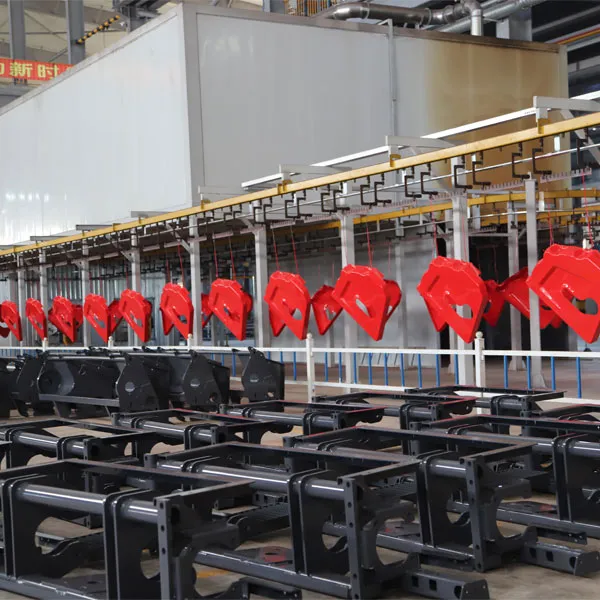
- Scale and technology:The plant, with an area of more than 32,000 m², is equipped with CNC laser machines, automated welding systems and electrostatic spraying lines. Two specialized lines ensure the production of up to 4,000 units of equipment per year.
- Quality control:In-house testing laboratory and ISO 9001 certification ensure that every baler undergoes strict testing before shipment. The company has almost a hundred technological patents and the status of a national high-tech enterprise.
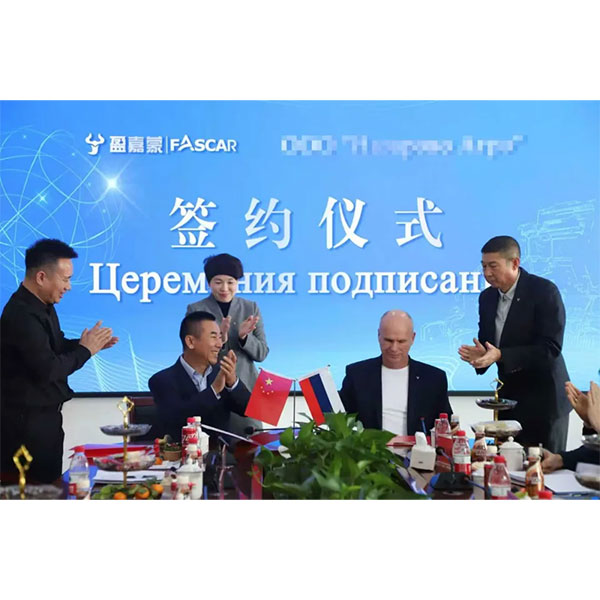
- Adaptation to the Russian market:Having successful experience in exporting to Russia and Mongolia, Jiujia designs equipment taking into account harsh climatic conditions and the specifics of local crops. Our philosophy of “Start with customer needs, end with customer satisfaction” is reflected in every part of the machine.
- Direct deliveries:Thanks to the right of independent import-export operations and developed logistics, we offer competitive prices without intermediary markups, providing direct support to customers in Russia.
By choosing Jiujia equipment, you get not just equipment, but the result of intelligent production, confirmed by an AAA credit rating and leadership in the international market.
Frequently asked questions (FAQ)
How much does it cost to buy a square bale baler in 2026?
The price depends on the class of the car. Small presses for tractors 50-80 hp. are in the budget segment. Large, high-performance presses for agricultural holdings belong to the premium segment. Exact prices are determined individually depending on the configuration (presence of a chopper, monitor, preservative application system). Leave a request on the website to receive a current commercial offer.
What kind of tractor is needed for a large square press?
Large square bales require a tractor with 120 to 250 hp. and higher. It is critical to have a powerful hydraulic system (flow from 60 l/min) and ballast on the rear axle to ensure traction.
Is it possible to bale wet hay with a square baler?
Yes, but only using a preservative addition system. Without organic acid treatment, wet food (>20% humidity) in a tight square bale quickly heats up and becomes moldy, creating a risk of spontaneous combustion.
What is the difference between small and large square abs?
Small presses create light bales (15-25 kg) that can be lifted by hand. They are mounted on small tractors. Large balers produce heavy bales (400-900 kg) that require mechanized loading, but provide high productivity and better logistics for large volumes.
Where is the best place to buy a square bale baler?
The most profitable and reliablebuy a square bale balerdirectly from a manufacturer such as Jiujia. This guarantees a factory warranty, the availability of service support and original spare parts, which is critical during the harvest season.
Buying Guidelines and Next Steps
Investing in a baler is a strategic decision for your agribusiness. In 2026, technology makes it possible to make feed cheaper, faster and of better quality, but only if the equipment is selected correctly.
We don't just sell hardware. We provide a technological solution:
- Selecting a model for your specific tractor and crop.
- Training machine operators in the specifics of adjusting density and knitting.
- Guaranteed supply of spare parts from the manufacturer's warehouse.
Don't put off preparing for the season. Material and logistics prices may vary, and inventory availability is limited during peak demand months.
Ready to improve your feed harvesting efficiency?
Contact our engineers today. We will help you calculate the payback on equipment for your farm and select the optimal configuration.
Receive an individual commercial offer:
Leave a request for a consultation or request a full catalog of technical specifications.
Request price and stock availability →
To explore other feed solutions, visitagricultural machineryon our website.